Understanding Self-Harm
Pain you can see doesn’t mean weakness—it means there’s pain you can’t.
What is Self-Harm?

Self-harm, also known as non-suicidal self-injury (NSSI), is the act of deliberately hurting yourself as a way to cope with emotional distress, overwhelming thoughts, or numbness. People often use it as a mechanism to externalize what they can't express through words. It’s not a cry for attention—it’s a cry for help.
Why People Self-Harm
The reasons behind self-injury are deeply personal. For some, it offers a momentary release. For others, it creates a sense of control in a world that feels chaotic. Common underlying causes include:
🧠 Mental health conditions like depression, BPD, or PTSD
💬 Suppressed emotions like anger, guilt, or sadness
😶 Emotional numbness or dissociation
🎭 Feeling invisible or unheard
🧠 Did You Know?
According to the WHO, self-harm often begins between the ages of 12 and 15. Early intervention drastically improves recovery outcomes.
Signs Someone Might Be Self-Harming

It’s not always visible. People who self-harm may go to great lengths to hide their scars. However, watch for:
👕 Wearing long sleeves in hot weather
🕶️ Withdrawal from friends and family
😔 Sudden mood changes or emotional breakdowns
💭 Talking about feeling empty or numb
Self-Harm vs. Suicidal Thoughts
While self-harm is often a coping tool rather than a suicide attempt, the two are closely linked. Persistent self-injury can increase the risk of suicidal ideation over time. That’s why early support matters.
Health Risks
Aside from emotional consequences, self-injury can cause:
🧬 Nerve and tissue damage
💔 Emotional dependency on self-harm
🧪 Feelings of guilt, isolation, or shame
🌱 Recovery is Possible
Many people who once relied on self-harm now live healthier, more balanced lives. You're not broken—you’re human, and healing is real.
Healthier Coping Alternatives
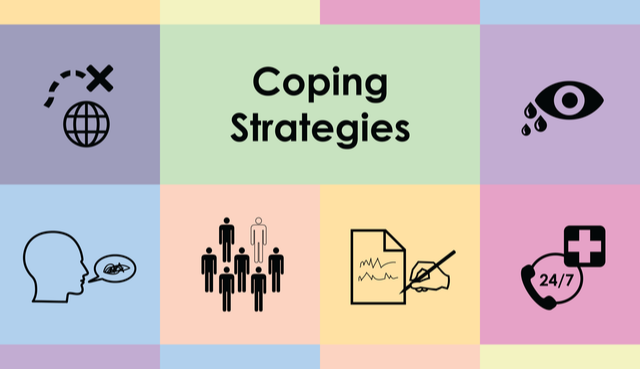
🧊 Hold ice cubes tightly
🥊 Punch a pillow or smash paper
🧘♀️ Practice deep breathing or mindfulness
📓 Write a letter (you don’t have to send it)
🛁 Take a hot shower or bath to soothe the senses
Therapies That Help
Psychotherapy can help uncover the “why” behind the self-harm and offer healthier coping techniques. Evidence-based approaches include:
🔹 CBT (Cognitive Behavioral Therapy): Identifies and reframes harmful thoughts
🔹 ACT (Acceptance and Commitment Therapy): Helps align with values and reduce avoidance
📌 Remember
Your pain is valid. You don’t have to punish yourself to feel real or to be heard.
What To Do If You’re Struggling
Start with small steps. Reach out to someone you trust—a friend, teacher, counselor, or helpline. You deserve support, not shame.
If you're in India, call the Kiran Mental Health Helpline: 1800-599-0019 for free 24/7 support.
For Friends & Family
If someone you love is self-harming, remain calm and compassionate. Listen without judgment. Encourage them to seek professional help and remind them they’re not alone.
🚫 Avoid saying: “You’re just doing it for attention.”
📞 Offer to help find a therapist or support line
Stories of Hope
“I used to hide my scars like they defined me. But therapy taught me that my survival was the story. Every healed wound is proof that I’m still here.”
– Meera, age 21
✨ A Gentle Reminder
You're not weak for feeling this way. You're strong for holding on. Healing is messy, but so is growth.
